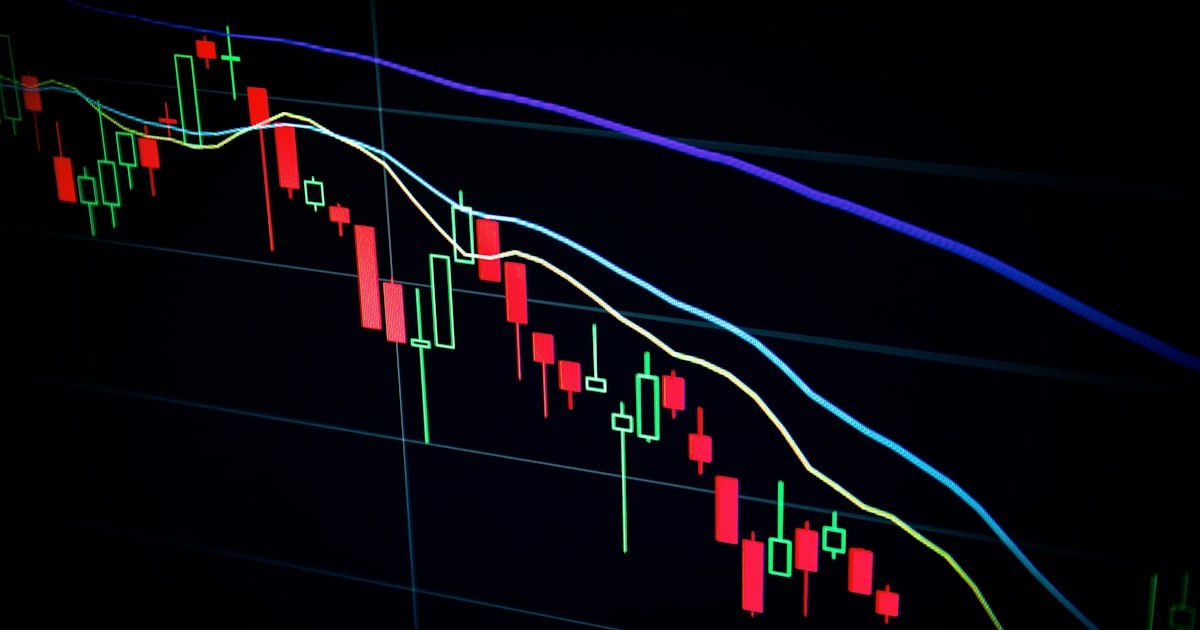
A stop-loss is a price you decide in advance, before you enter, at which you'll admit the trade is wrong and get out. It's not a prediction. It's the line where your original reason for the trade no longer holds, so staying in is just hoping.
Why every trade needs one
Without a stop, a small loss quietly becomes a large one. Price drifts against you, you tell yourself it'll come back, and a manageable 1% risk turns into a 15% hole that takes months to recover. The stop removes that decision from the moment you're least able to make it, when you're already losing and emotional.
Where to place it
A good stop sits just beyond a level the market would have to break to genuinely prove your idea wrong, not at a random dollar amount. Too tight and normal noise clips you out of good trades; too wide and one loss erases several wins. LazyChart sizes every stop at 1.5× ATR, so it automatically widens when the market is volatile and tightens when it's calm.
The mistake that undoes it
The most expensive habit in trading is moving your stop further away as price approaches it, to avoid being stopped out. That converts a small planned loss into an unplanned big one. Set the stop before you enter, size the position so that loss is affordable, and then honor it without negotiation.
Every LazyChart signal ships with its stop already calculated and shown, so the risk is defined before you ever act. It's informational and educational only, never financial advice.